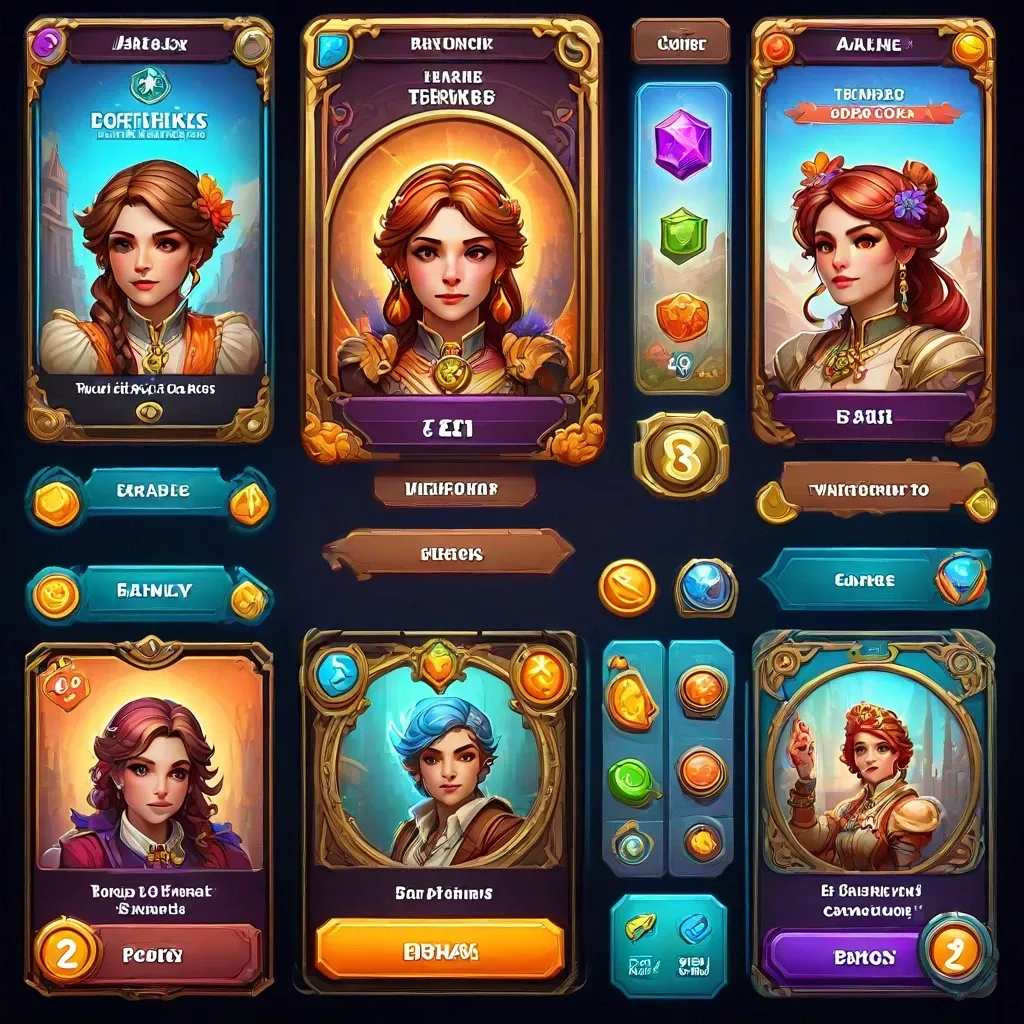
Free-to-play games: are they a gamer’s paradise or a cleverly disguised trap? The debate rages on. Some players celebrate the accessibility and endless content, while others decry the predatory monetization tactics that seem to lurk around every virtual corner. Developers, on the other hand, see F2P as a necessary evolution, a way to reach a wider audience and keep their creations alive long after the initial launch.
From their humble beginnings as simple browser games, free-to-play titles have exploded into a multi-billion dollar industry, dominating mobile gaming and making significant inroads on PC and console platforms. But this growth hasn’t been without controversy. The core issue? How do developers make money without charging an upfront fee? The answer lies in a variety of monetization methods, each with its own set of advantages and drawbacks, designed to entice players to open their wallets. This article aims to look into the heart of F2P, separating fact from fiction and providing insight into this ever-evolving world of gaming.
What Exactly are ‘Free-to-Play’ Games?
Free-to-play, often shortened to F2P, signifies a game distribution model where accessing the core gameplay requires absolutely no initial purchase. Forget forking over cash just to try something new; these games throw open the gates, inviting players to dive in headfirst without spending a dime.
This doesn’t imply everything is entirely free, however. Instead of a one-time payment, F2P games usually rely on alternative monetization strategies, cleverly woven into the gameplay experience. Think of it as a ‘try before you you buy’ philosophy taken to the extreme. It’s all about hooking players first and then offering optional ways to enhance or accelerate their progress.
This contrasts sharply with pay-to-play models, where a purchase is mandatory just to launch the game, or subscription models that demand recurring fees for continued access. F2P titles disrupt the traditional landscape, democratizing access to gaming and opening doors to broader audiences, since it costs nothing to start playing.
The Allure of Free: Why F2P is So Popular
Free-to-play (F2P) games have taken the gaming world by storm, and it’s not hard to see why. The biggest draw is right there in the name: free! The reduced initial cost opens doors for gamers who might otherwise hesitate to try a new title. This accessibility is a game-changer, allowing virtually anyone with a device and an internet connection to dive in.
But the appeal of F2P extends far beyond just the price tag. The sheer variety of games available is staggering. From intense battle royales and intricate RPGs to casual puzzle games and strategic simulations, there’s an F2P title out there for practically every taste. This vast selection makes it easy to discover hidden gems and explore different genres without spending a dime upfront.
Another significant advantage is the “try before you buy” aspect. Players can sample a game’s mechanics, story, and overall feel before deciding to invest any real money. Think of it as a demo on steroids! This allows for informed decisions about which games are worth spending time and resources on, leading to a more satisfying gaming experience. Ultimately, this approach benefits both players and developers, fostering a dynamic and evolving ecosystem within the gaming landscape.
The Dark Side of “Free”: Understanding the Concerns
While the allure of “free” is undeniable, the free-to-play (F2P) gaming model isn’t without its shadows. It’s important to acknowledge the valid criticisms leveled against many F2P titles. One of the most frequent complaints revolves around “pay-to-win” (P2W) mechanics. This is used when players feel compelled to spend money to gain a significant advantage over those who don’t, thus unbalancing the gameplay.
Beyond P2W, another major concern is the often excessive time investment required to progress without spending money. Some F2P games rely heavily on “grinding,” requiring players to perform repetitive tasks for hours on end just to unlock content or level up their characters. This can feel more like a chore than entertainment, and it’s a deliberate tactic to encourage players to spend money to bypass the grind.
Many F2P games employ manipulative monetization tactics. These tactics take advantage of psychological vulnerabilities to encourage spending. Examples include limited-time offers, artificial scarcity and in-game currencies designed to obscure the true cost of items. These tactics are designed to exploit impulse purchases and foster a fear of missing out (FOMO), ultimately pushing players to spend more than they initially intended. This creates an environment where enjoyment is tied to spending, which becomes less about fun and more about financial commitment.
Monetization Methods
Free-to-play games, while seemingly accessible, often employ various monetization methods to generate revenue. These strategies, while profitable for game developers, can sometimes be perceived as exploitative towards players. Let’s delve into some common examples.
One prevalent strategy is the use of Gacha and Loot Box systems. These mechanics offer players the chance to acquire virtual items through a randomized draw or purchase. The allure lies in the possibility of obtaining rare or powerful items which often leads players to spend considerable amounts of money in pursuit of them. The randomized nature of these systems can be akin to gambling, as players are never guaranteed to receive specific items and may end up spending far more than they initially intended.
In-App Purchases are another common method, allowing players to buy virtual currency, cosmetic items, or gameplay advantages. Ad Monetisation can also be used. While not always exploitative, reliance on these strategies may make the user experience less enjoyable due to being interrupted. These methods rely on psychological principles and the desire for progression and customization, sometimes pushing players towards excessive spending. Consequently, awareness of these monetisation methods is essential for gamers to make informed decisions and enjoy free-to-play games responsibly.
Ethical F2P: Games That Respect Your Time and Wallet
The free-to-play (F2P) model has become a dominant force in the gaming world, but it’s not without its controversies. Many associate F2P with predatory monetization, pay-to-win mechanics, and time-consuming grinds designed to frustrate players into spending. However, some developers have managed to create F2P games that are not only profitable but also respectful of players’ time and wallets. These “ethical F2P” games offer enjoyable gameplay experiences without feeling manipulative or exploitative.
What defines an ethical F2P game? It often boils down to fair monetization practices. Games that primarily offer cosmetic items or convenience features, rather than power boosts or exclusive content, tend to be more player-friendly. Reasonable progression systems are also crucial. Players should feel like they’re making progress even without spending money, and the game shouldn’t artificially inflate difficulty to pressure them into buying items.
A great example of ethical F2P is “Path of Exile”. Its core gameplay is entirely free, and the vast majority of purchasable items are cosmetic effects, extra character slots, or stash tabs to store more loot. None of these purchases affect gameplay balance. “Fortnite” is also a good example. Although it has a battle pass system, it mainly focuses on cosmetic rewards and offers a steady stream of content updates for all players, regardless of whether they spend money. Ultimately, ethical F2P games prove that it’s possible to create sustainable and enjoyable experiences that benefit both developers and players.

Making the Most of F2P Games: Tips for Players
Free-to-play (F2P) games can be a fantastic source of entertainment, offering endless hours of gameplay without an initial price tag. However, their monetization models can sometimes lead to frustration or even financial strain. The key to truly enjoying F2P games lies in approaching them with a mindful strategy. This involves setting limits, prioritizing enjoyment, and understanding the tactics used to encourage spending. By implementing a few simple guidelines, you can maximize your fun without feeling pressured to open your wallet or waste excessive time.
Set a Budget and Stick to It
Treat your F2P gaming like any other form of entertainment – allocate a specific budget. Before diving into a new game, decide how much you’re comfortable spending per week or month. This could be a small amount, or even zero! The important part is to define your limitbefore* temptation strikes. Use budgeting apps or spreadsheets to track your spending and stay within your financial plan. If you hit your limit, resist the urge to make “just one more” purchase. Remember, the core gameplay loop should be enjoyable without spending a dime.
Prioritizing Fun Over Competition
Many F2P games thrive on fostering a sense of competition. You might feel pressured to buy upgrades or special items to stay ahead of other players. It’s easy to get sucked into this “pay-to-win” mentality, where progress feels impossible without spending money. Remind yourself that the primary goal is to have fun! Focus on enjoying the game’s mechanics, exploring its world, and connecting with other players in a casual way. Don’t let the competitive aspect dictate your enjoyment or force you into spending. If you find yourself constantly frustrated by paywalls, it might be time to explore other F2P options that better align with your preferences.
The Future of F2P: What to Expect in the Years to Come
The free-to-play (F2P) gaming model is in constant flux, driven by technological advancements, shifting player preferences, and ongoing debates surrounding ethical monetization. Looking ahead, the F2P landscape is poised for significant evolution across several key areas.
One major trend is the integration of new technologies. Cloud gaming, for instance, could democratize access to high-end F2P titles, removing hardware barriers and expanding the potential player base. Imagine playing visually stunning, resource-intensive F2P games on any device, without the need for expensive consoles or PCs. Furthermore, expect to see increased use of AI and machine learning. These technologies can personalize the gaming experience, dynamically adjusting difficulty, and tailoring content to individual player styles, leading to greater engagement and retention.
Evolving player expectations are also reshaping F2P design. Gamers are becoming more discerning, demanding fair monetization practices and rewarding gameplay experiences. The days of blatant pay-to-win mechanics are numbered. Instead, developers are exploring alternative revenue streams, such as cosmetic items, battle passes, and subscription models that offer genuine value without compromising the core gameplay. A focus on community building and player agency is also crucial. Games that foster a sense of belonging and empower players to contribute to the game’s development are more likely to thrive in the long run.
The ethical considerations surrounding F2P monetization will continue to be a hot topic. Loot boxes, in particular, have drawn criticism for their resemblance to gambling, especially when targeted at younger audiences. As a result, we can anticipate stricter regulations and industry self-regulation aimed at protecting vulnerable players. Transparency and clear communication regarding monetization practices will be paramount. Ultimately, the future of F2P hinges on striking a balance between profitability and player well-being, creating games that are both financially sustainable and ethically sound.
Conclusion
In summary, free-to-play games present a mixed bag of opportunities and challenges. The easy accessibility and no upfront cost are undeniable advantages, opening doors to vast gaming experiences for everyone. Many F2P titles offer substantial content playable without spending a dime, fostering inclusive gaming communities. However, it’s crucial to acknowledge the potential downsides. Aggressive monetization strategies, pay-to-win mechanics, and manipulative psychological tactics can detract from the enjoyment and create an uneven playing field.
So, are F2P games worth trying? Absolutely. Approach them with open eyes, recognizing both the appeal and the potential pitfalls. With smart choices, time management, and a strong understanding of your own spending habits, you can discover incredible gaming experiences. The key is to remain informed, exercise self-control, and prioritize fun over competition. Ultimately, the decision rests on your individual preferences and commitment to navigating the free-to-play landscape responsibly.