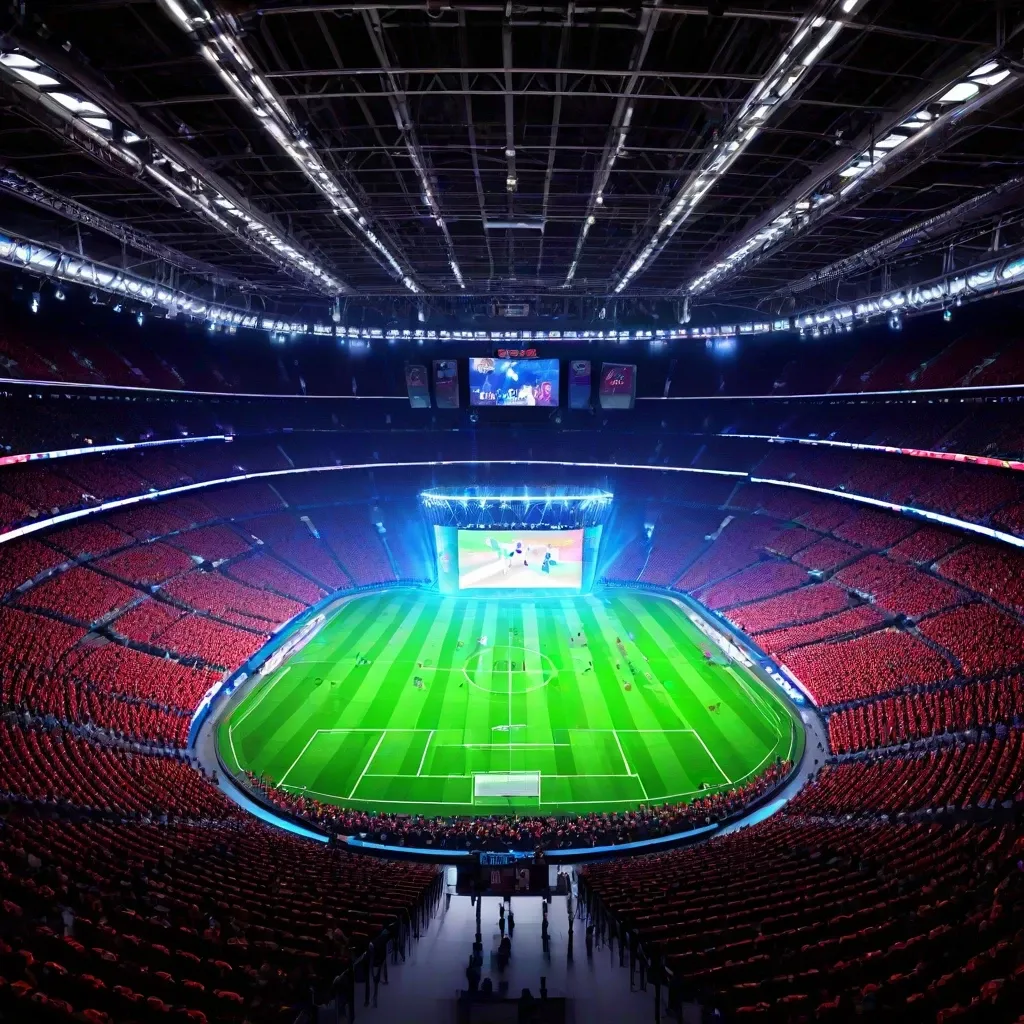
The roar of the crowd, the electric atmosphere, the shared passion – these were once the cornerstones of the live sports experience. But times have changed. Today’s fans crave more than just a seat and a hotdog; they demand immersive, personalized, and digitally-driven engagement that extends far beyond the 90 minutes on the field. Teams face a growing challenge: capturing and holding the attention of a generation accustomed to instant gratification and endless entertainment options.
The old playbook of static marketing campaigns and generic promotions simply doesn’t cut it anymore. To win in the modern sports landscape, teams must embrace innovative fan engagement strategies. This article explores these evolving approaches, from leveraging data to personalize experiences to integrating cutting-edge technology that blurs the line between the physical and digital worlds. By understanding and implementing these strategies, teams can cultivate deeper connections, foster unwavering loyalty, and create a game-day experience that resonates long after the final whistle.
The Evolution of Fan Engagement
The landscape of fan engagement has undergone a seismic shift, a transformation fueled by technological advancements and evolving audience expectations. In the not-so-distant past, fan engagement was largely a one-way street, characterized by passive consumption and traditional marketing tactics. Think stadium giveaways, static advertisements, and perhaps a team newsletter – effective in their time, but hardly interactive. Sports attendance trends once dictated the engagement strategy, but digital disruption has irrevocably altered the playing field.
The rise of digital platforms has ushered in an era where fans demand more than just a seat in the stands. They crave immersive experiences, personalized content, and, crucially, a sense of belonging. The move away from passive viewing is not just a trend; it’s a fundamental change in how audiences interact with the sports and entertainment they love. Today’s fan engagement is about creating a dynamic, reciprocal relationship.
From Passive Spectator to Active Participant
The modern fan is no longer content to simply watch from the sidelines. They want to be part of the action, to exert influence, and to connect with others who share their passion. This desire for participation is driven by a deep-seated need for belonging and a craving for experiences that transcend the ordinary. The active fan is the new paradigm.
Interactive sports and fan influence are now cornerstones of successful engagement strategies. Teams and organizations are increasingly empowering fans to become active stakeholders, inviting them to participate in decisions, contribute content, and shape the narrative. From voting on team strategies to creating fan-generated content, community creation is at the heart of this shift, fostering a sense of ownership and investment that goes far beyond traditional fandom.
New Technologies Reshaping Live Match Engagement
The landscape of live match engagement is being revolutionized by emerging technologies that offer unprecedented possibilities for both in-stadium and at-home viewers. These innovations are not just incremental improvements; they represent a fundamental shift in how fans experience and interact with their favorite sports. From augmented reality overlays that bring data to life, to biometric integration that gauges fan sentiment, the future of live match engagement is dynamic, personalized, and immersive.
AR/VR Overlays
Augmented and virtual reality are transforming the way fans consume sports by overlaying digital information onto the real-world viewing experience. Imagine using an AR sports app to point your phone at a player on the field and instantly see their stats, heatmaps, and career highlights. Or picture taking a VR stadium tour from the comfort of your living room, exploring behind-the-scenes areas and reliving iconic moments. Interactive replays become more engaging with AR/VR, allowing viewers to analyze plays from multiple angles and access gamified data analytics that make understanding the game easier than ever before. Some teams are already experimenting with these technologies, creating immersive pre-game experiences and offering fans new ways to connect with the action.
Biometric Integration
Biometric integration takes fan engagement to an even deeper level. Imagine wearable technology tracking heart rates and stress levels during crucial moments of a game, providing real-time engagement metrics that can be used to personalize the viewing experience. Fan sentiment analysis, using facial emotion recognition, can gauge the overall mood of the crowd, offering valuable insights to teams and sponsors. This data can be used to trigger special events, such as displaying fan reactions on the jumbotron or offering targeted promotions based on emotional responses. By understanding how fans are feeling in real-time, teams can create more engaging and emotionally resonant experiences.
Crafting Personalized Fan Experiences
Micro-Segmentation Strategies
In the realm of fan engagement, a one-size-fits-all approach simply doesn’t cut it anymore. To truly resonate with audiences and foster lasting loyalty, organizations are increasingly turning to micro-segmentation strategies. This involves diving deep into fan data to create hyper-specific groups, each with its own unique set of preferences, behaviors, and needs.
The foundation of micro-segmentation lies in building comprehensive fan profiles. These profiles go beyond basic demographic information, incorporating purchase history, social media activity, event attendance, and even in-app behavior. Sophisticated behavior analysis techniques are then applied to identify patterns and predict future actions. For example, a fan who consistently purchases merchandise related to a specific player might be targeted with exclusive offers featuring that player.
Predictive analytics takes this a step further, using algorithms to anticipate fan needs and proactively tailor experiences. Imagine a scenario where a fan consistently engages with content related to behind-the-scenes footage. Predictive analytics could identify this pattern and automatically deliver similar content, enhancing their engagement and satisfaction.
The ultimate goal of micro-segmentation is to generate actionable insights that drive meaningful fan experiences. By understanding the nuances of each fan segment, organizations can deliver custom content, exclusive rewards, and personalized offers that resonate deeply, fostering a stronger sense of connection and loyalty. Fan profiles when enriched with behavior and predictive analysis provides actionable insights.
Bridging the Gap: Integrating Digital and Physical Worlds
The modern fan experience transcends the confines of the physical stadium. While the roar of the crowd and the energy of live performance are irreplaceable, creating seamless experiences that bridge the gap between the in-stadium atmosphere and digital platforms is crucial for maximizing engagement and fostering unwavering loyalty. The key lies in understanding that both the “in stadium” and “outside the stadium” experiences are vital components of a cohesive fan journey. By strategically integrating digital tools, teams and organizations can unlock new avenues for connection, transforming passive spectators into active participants.
Leveraging social media is paramount. It allows fans to extend the stadium experience beyond its physical boundaries, sharing their excitement and connecting with fellow supporters in real-time. Interactive content, such as polls, quizzes, and live Q&A sessions with athletes, further fuels engagement and creates a sense of community. The goal is to curate a hybrid experience that seamlessly blends the tangible and the digital, amplifying the emotional resonance of the live event.
Ultimately, successful integration leads to a more immersive, personalized, and shareable fan experience. It not only enhances the enjoyment of the game but also builds lasting relationships between fans and the teams they love.
The Power of the Second Screen Experience
Mobile integration stands as an important tool in creating a richer, more interactive stadium visit. Second screen experiences, delivered through dedicated in stadium apps, offer fans real-time interaction capabilities, access to data visualization and advanced statistics, and engaging gamification strategies. This keeps fans glued to the action, providing insightful information, and creating a sense of connectedness that goes beyond just watching the game.
Measuring What Matters: Metrics for Success
To truly gauge the impact and effectiveness of any endeavor, establishing clear Key Performance Indicators (KPIs) and employing robust measurement tools are essential. Forget guesswork; success hinges on quantifiable data. Several engagement metrics provide insight into audience involvement. Calculating ROI (Return on Investment) offers essential financial clarity. The Fan Satisfaction Score allows to measure loyalty. Social media sentiment analysis delivers immediate feelings. And meticulously keeping track of attendance accurately reveals participation levels.
Effectively tracking these metrics offers a comprehensive understanding of the team’s accomplishments. Revenue tracking, for instance, could involve carefully monitoring income statements and sales figures. Social media impact might be assessed by keeping track of mentions, shares, and overall engagement rates. Each KPI used must align with the particular objectives in order to promote well-informed choices and optimize approaches.
Tools for Measuring Success
Many tools are avalaible to help measuring success. Customer Relationship Management (CRM) systems are helpful for understanding client interactions and monitoring satisfaction, which promotes loyalty. Surveys are a priceless way to get direct input, measuring attitudes and pinpointing areas for improvement. Strong analytics platforms examine website traffic, user behavior, and conversion rates, providing information about effectiveness and user engagement. Failure could be not track main platform from your brand, or not take the time to personalize touchpoints with you clients.
Tools for monitoring social media provide real-time measurements from mentions and mood analysis, helping organizations to quickly adjust to public view. For example, many businesses use social media listening tools to monitor brand mentions and gauge client sentiment. Businesses can locate possible PR crises, and address customer concerns rapidly. By strategically utilizing these tools, we can transform raw data into actionable insights, driving continuous improvement and ensuring every step contributes tangibly to overarching objectives.
The Future of Live Match Engagement
AI and the next personalization level
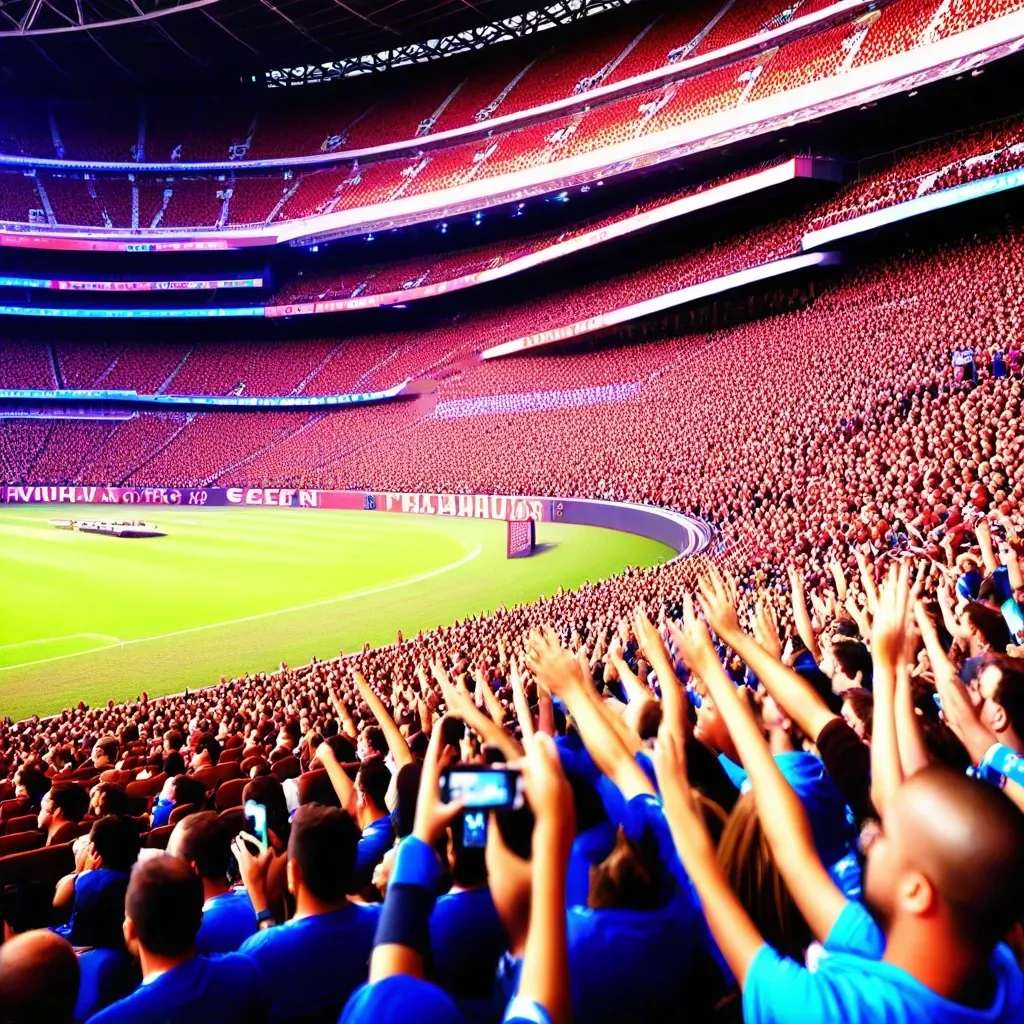
The roar of the crowd, the electric atmosphere – these are the hallmarks of live sports. But the future of live match engagement is poised for a dramatic evolution, driven by predictive analytics and personalized fan experiences. Imagine a stadium where technology anticipates your needs before you even realize them. This isn’t science fiction; it’s the trajectory we’re on.
Artificial intelligence (AI) is set to redefine personalization, moving beyond simple demographics to understand individual fan preferences with incredible accuracy. Forget generic discounts; envision custom offers delivered directly to your phone based on your past purchases, favorite players, or even your real-time reactions during the game. AI algorithms will analyze everything from your social media activity to your in-stadium movements, creating a hyper-personalized experience that maximizes engagement and satisfaction. Forget about strategies, just enjoy the custom offers designed only for you.
Future stadiums might feature augmented reality overlays, providing real-time stats and replays directly on your field of vision. Concessions could be ordered and delivered to your seat with a single tap, minimizing wait times and maximizing your time enjoying the game. These advances aren’t just about convenience; they’re about creating an immersive, unforgettable experience that keeps fans coming back for more. The future of live match engagement is about seamlessly blending the physical and digital worlds to create a personalized and captivating fan experience.
Conclusion
In conclusion, the strategies detailed above provide sports organizations with actionable insights to revolutionize fan engagement. Creating a personal connection through tailored content and interactive experiences builds loyalty and advocacy. Smart technology investment, such as AI-driven personalization, streamlines operations and enriches the fan experience. These initiatives collectively contribute to revenue growth by attracting new fans, boosting merchandise sales, and increasing ticket demand.
The future of sports hinges on embracing these transformative approaches. We encourage sports organizations to take the leap and implement these strategies to foster stronger fan relationships and ensure sustained success. Contact us today for strategic guidance on transforming your fan engagement and securing a spot at the forefront of the sports world.